The art of restoring cassette tape gold contacts is a niche yet fascinating field that combines vintage audio preservation with meticulous craftsmanship. Unlike modern digital storage, cassette tapes rely on physical contact between the magnetic tape and the playback head, making the integrity of their gold-plated connectors critical for sound quality. Over time, oxidation, wear, and environmental factors degrade these contacts, leading to signal loss, distortion, or complete playback failure. Restoring them requires a blend of technical knowledge, patience, and an almost surgical attention to detail.
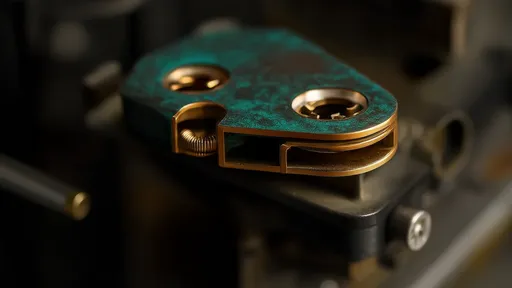
The degradation of gold contacts in cassette tapes is often misunderstood. While gold is prized for its resistance to corrosion, the thin plating on cassette contacts can wear down or become contaminated. Dust, fingerprints, and atmospheric sulfur compounds create microscopic barriers that impede electrical conductivity. In severe cases, the underlying nickel or copper layers may oxidize, causing further signal degradation. Unlike silver or copper contacts, gold’s tarnish is invisible, making diagnosis tricky. Professionals often use magnifiers or multimeters to assess contact quality before deciding on a repair strategy.
Cleaning is the first and most non-invasive step in contact restoration. Specialized solutions like isopropyl alcohol or contact cleaners designed for audio equipment are applied with lint-free swabs. The key is to avoid abrasive materials that could scratch the gold plating. For stubborn deposits, some technicians use diluted vinegar or baking soda paste, though these require extreme caution to prevent chemical damage. The goal is to remove contaminants without altering the contact’s physical structure. Ultrasonic cleaners are occasionally employed for heavily soiled contacts, but their use is debated due to potential vibration damage to delicate tape mechanisms.
Replating worn contacts is a more advanced technique reserved for cases where cleaning no longer suffices. This process involves carefully stripping residual gold, cleaning the base metal, and applying fresh gold plating via electroplating or chemical deposition. Electroplating offers better durability but requires specialized equipment, making it impractical for hobbyists. Chemical gold plating kits, while more accessible, demand precise temperature and timing control to achieve even coverage. Both methods risk over-plating, which can interfere with the tape’s proper seating in the player. As such, replating is often considered a last resort.
Preventive maintenance plays a crucial role in extending the life of restored contacts. Storing cassettes in low-humidity environments with anti-tarnish strips slows re-oxidation. Regular playback—ironically—helps maintain contact integrity by gently wiping surfaces during use. Some enthusiasts apply microscopic amounts of dielectric grease to repel moisture, though purists argue this attracts dust. The debate highlights the balance between preservation and practicality in analog audio care. Ultimately, the best approach depends on the tape’s value, frequency of use, and environmental conditions.
The resurgence of interest in analog media has breathed new life into cassette tape restoration. Audiophiles and archivists now recognize that preserving these artifacts goes beyond nostalgia—it’s about safeguarding a tangible piece of audio history. While digital backups are essential, they can’t replicate the tactile experience or unique sound characteristics of original tapes. As such, mastering contact repair techniques ensures future generations can experience media as it was originally intended, flaws and all. This intersection of art, science, and history makes cassette contact restoration a uniquely rewarding discipline.

By /Aug 15, 2025

By /Aug 15, 2025

By /Aug 15, 2025

By /Aug 15, 2025

By /Aug 15, 2025
By /Aug 15, 2025
By /Aug 15, 2025
By /Aug 15, 2025

By /Aug 15, 2025

By /Aug 15, 2025

By /Aug 15, 2025

By /Aug 15, 2025

By /Aug 15, 2025

By /Aug 15, 2025

By /Aug 15, 2025

By /Aug 15, 2025

By /Aug 15, 2025

By /Aug 15, 2025

By /Aug 15, 2025

By /Aug 15, 2025