The esports hotel industry has been experiencing rapid growth in recent years, fueled by the global surge in gaming culture and competitive esports events. However, as the market becomes increasingly saturated, operators are facing mounting pressure to optimize their revenue per square foot—a critical metric known as "sales per square meter" or "坪效" in Chinese business terminology. For esports hotels, where space utilization directly impacts both player experience and profitability, mastering this balance has become the difference between thriving and merely surviving.
At its core, the concept of坪效 optimization in esports hotels revolves around maximizing revenue generation from every available square foot while maintaining an environment that keeps gamers coming back. Traditional hotels measure success through occupancy rates, but esports hotels must consider additional factors like hourly usage patterns, equipment turnover rates, and ancillary spending on food, beverages, and merchandise. The unique nature of these hybrid establishments—part gaming arena, part hospitality venue—creates both challenges and opportunities when it comes to space efficiency.
One of the most significant shifts in operational strategy has been the move from purely private gaming rooms to mixed-format spaces. Early esports hotels predominantly offered isolated gaming pods or private rooms, which while popular among groups, often led to low utilization during off-peak hours. Forward-thinking operators are now incorporating flexible communal gaming areas that can accommodate solo players during slow periods and transform into tournament spaces or viewing parties during peak times. This dynamic approach to space allocation has shown to increase坪效 by as much as 30-40% in pilot implementations.
The integration of smart scheduling systems has emerged as another game-changer for坪效 optimization. Advanced booking platforms now incorporate dynamic pricing models similar to those used by airlines, adjusting room rates based on demand patterns, day of week, and even specific hours. Some innovative properties have implemented AI-driven systems that automatically suggest optimal room configurations based on reservation trends, automatically upgrading or combining spaces to maximize occupancy without manual intervention. These technological solutions not only improve space utilization but also create new revenue streams through premium time slots and last-minute booking incentives.
Merchandising strategy plays an underappreciated yet vital role in boosting坪效. Unlike traditional hotels where retail space is often an afterthought, esports hotels have successfully monetized every square foot through strategic product placement. High-margin items like energy drinks, gaming peripherals, and collectibles are positioned in high-traffic areas, often integrated seamlessly into the gaming environment. Some operators have reported that well-designed retail spaces contribute up to 15-20% of total revenue while occupying less than 5% of the total floor area—a坪效 multiplier that no operator can afford to ignore.
The food and beverage component presents both a challenge and tremendous opportunity for坪效 enhancement. Traditional hotel restaurants often struggle with space efficiency, but esports hotels have pioneered innovative solutions like gamer-friendly meal subscriptions, in-room dining optimized for minimal interruption, and automated vending solutions for quick snacks. The most successful operators have developed F&B concepts that cater specifically to the gaming demographic—offering protein-rich, easy-to-eat foods that can be consumed with one hand while playing. This tailored approach has enabled some properties to achieve F&B坪效 metrics double those of conventional hotel restaurants.
Equipment utilization represents another critical factor in the坪效 equation. High-end gaming PCs and peripherals represent significant capital investment, and maximizing their usage is essential for profitability. Leading esports hotels have implemented equipment sharing systems where premium setups can be reserved separately from rooms, allowing multiple users to access high-value assets throughout the day. Some have even developed membership programs that grant priority access to top-tier equipment, creating an additional revenue layer while ensuring expensive hardware doesn't sit idle.
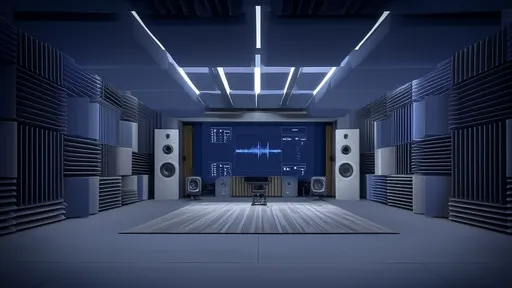
The design philosophy of esports hotels has evolved significantly to address坪效 concerns. Early designs often prioritized aesthetic over function, resulting in wasted space. Contemporary designs employ modular furniture, convertible gaming stations, and multi-purpose areas that can serve different functions throughout the day. Clever use of vertical space for storage and display, along with strategic lighting that defines zones without physical barriers, has allowed operators to increase usable space without expanding footprints. These design innovations have proven particularly valuable in urban markets where real estate costs are prohibitive.
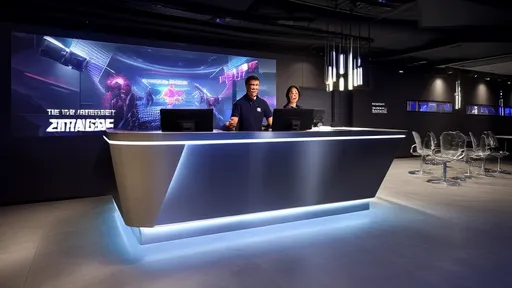
Staffing models have also undergone transformation in pursuit of higher坪效. Rather than maintaining large front desk teams around the clock, many esports hotels now utilize hybrid roles where staff members handle multiple functions—from technical support to F&B service. This not only reduces labor costs per square foot but also creates more points of interaction where staff can promote premium services or merchandise. Some properties have implemented self-check-in kiosks with gaming-themed interfaces, freeing up staff to focus on revenue-generating activities rather than administrative tasks.
Looking ahead, the most successful esports hotels will likely be those that treat坪效 optimization as an ongoing process rather than a one-time initiative. As gaming technology evolves and player preferences shift, space utilization strategies must remain agile. Operators who continuously test new layouts, service models, and technology integrations will maintain a competitive edge in this rapidly evolving sector. The future may see even more radical approaches, such as convertible spaces that transform completely based on time of day or virtual reality integrations that reduce the need for physical gaming stations altogether.
Ultimately,坪效 optimization in esports hotels represents a complex balancing act between player experience and operational efficiency. Those who master this balance will not only survive the increasingly competitive landscape but thrive as the industry continues its global expansion. The lessons learned from these specialized properties may well influence broader hospitality trends as traditional hotels look to adapt to changing consumer behaviors in the digital age.

By /Aug 15, 2025

By /Aug 15, 2025
By /Aug 15, 2025

By /Aug 15, 2025
By /Aug 15, 2025

By /Aug 15, 2025

By /Aug 15, 2025
By /Aug 15, 2025

By /Aug 15, 2025
By /Aug 15, 2025
By /Aug 15, 2025

By /Aug 15, 2025

By /Aug 15, 2025

By /Aug 15, 2025

By /Aug 15, 2025
By /Aug 15, 2025
By /Aug 15, 2025

By /Aug 15, 2025

By /Aug 15, 2025
By /Aug 15, 2025