The concept of digital olfaction – the ability to detect, transmit, and recreate scents through technology – has long been relegated to the realm of science fiction. However, recent advancements in sensor technology, machine learning, and material science have brought us closer than ever to achieving a functional digital sense of smell. At the heart of this breakthrough lies the challenge of quantifying scent concentration perception, a complex interplay of chemistry, biology, and data science that could revolutionize industries from healthcare to entertainment.
Human olfaction remains one of nature's most sophisticated chemical detection systems, capable of distinguishing between thousands of odorants at concentrations as low as parts per trillion. Replicating this sensitivity in machines requires not just powerful sensors but an entirely new framework for understanding how scent molecules interact with receptors and how the brain interprets these signals as specific smells at varying intensities. The emerging field of digital odor concentration mapping seeks to create standardized scales for measuring and reproducing scent intensity in digital formats.
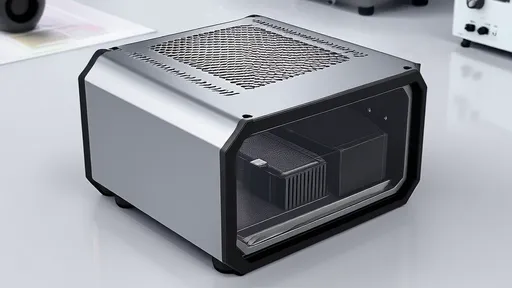
Modern electronic nose (e-nose) devices employ arrays of chemical sensors that change electrical resistance when exposed to volatile organic compounds. These systems face fundamental challenges in accurately gauging concentration levels across different odor types. A rose's fragrance at 10 parts per million creates a different perceptual experience than coffee aroma at the same concentration, due to variations in molecular weight, receptor binding affinity, and neural processing. Researchers are now developing adaptive concentration algorithms that account for these psychophysical differences in odor perception.
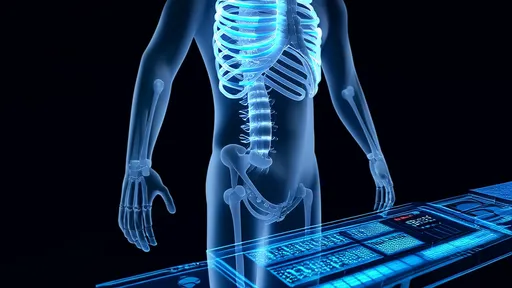
The medical applications of precise digital olfaction concentration measurement are particularly promising. Certain diseases alter characteristic scent profiles in human breath and bodily fluids at specific concentration thresholds. Diabetes produces acetone at measurable levels, while lung cancer creates distinct patterns of alkanes and benzene derivatives. Digital smell systems capable of detecting these biomarkers at precise concentrations could enable non-invasive early diagnosis with accuracy surpassing current laboratory tests. This requires not just detection but quantitative analysis of odor molecule concentrations against established medical baselines.
In the consumer space, accurate scent concentration perception opens possibilities for immersive experiences that current audio-visual technologies cannot provide. Imagine watching a cooking show where the aroma of ingredients strengthens as they're added to the dish, or playing a video game where the scent of smoke intensifies as your character approaches a fire. Realizing these scenarios demands digital systems that can not only identify smells but precisely control their emission intensity in relation to digital triggers and user proximity.
The technical hurdles remain significant. Odor molecules interact differently with various sensor materials, and environmental factors like humidity and temperature dramatically affect both scent dispersion and sensor performance. Machine learning models trained on massive datasets of scent concentration profiles are helping overcome these challenges by predicting how specific odorants will behave under different conditions. These systems learn to compensate for environmental variables and provide consistent concentration readings regardless of external factors.
Perhaps the most intriguing development in digital scent concentration perception involves cross-modal sensory integration. Studies show that visual and auditory stimuli can influence perceived scent intensity – a phenomenon being incorporated into next-generation digital olfaction systems. By coordinating scent release with corresponding visual cues (like images of flowers) or sounds (like sizzling bacon), these systems create more convincing and measurable scent experiences where the digital concentration perception aligns with user expectations formed through other senses.
As the technology matures, standardization becomes crucial. The industry lacks universal metrics for digital scent concentration – unlike decibels for sound or lumens for light. Various research groups and companies are proposing different scales, from logarithmic measures similar to pH scales to machine-learning-derived intensity units. Establishing reliable quantitative frameworks will be essential for creating interoperable digital olfaction systems and applications that can communicate scent concentration data consistently across platforms and devices.
The ethical implications of digital scent concentration technology warrant careful consideration. Precise control over scent intensity in digital formats could be used for manipulation in advertising or even psychological influence. Conversely, it might help individuals with smell disorders regain some olfactory function through digital augmentation. As with any powerful technology, establishing ethical guidelines for its use will be as important as solving the technical challenges of accurate concentration measurement and reproduction.
Looking ahead, the convergence of digital scent concentration perception with other emerging technologies like augmented reality and the Internet of Things suggests a future where environmental smells can be monitored, analyzed, and even modified in real time. Smart cities might adjust scent landscapes to improve mood and productivity, while personal devices could warn us about air quality hazards at precise concentration thresholds. The nose may indeed have a digital future, one where we can not just detect smells but truly understand and manipulate their intensity in ways that enhance and protect human life.

By /Aug 15, 2025
By /Aug 15, 2025
By /Aug 15, 2025

By /Aug 15, 2025

By /Aug 15, 2025

By /Aug 15, 2025

By /Aug 15, 2025

By /Aug 15, 2025
By /Aug 15, 2025
By /Aug 15, 2025
By /Aug 15, 2025

By /Aug 15, 2025

By /Aug 15, 2025
By /Aug 15, 2025
By /Aug 15, 2025
By /Aug 15, 2025
By /Aug 15, 2025

By /Aug 15, 2025
By /Aug 15, 2025

By /Aug 15, 2025